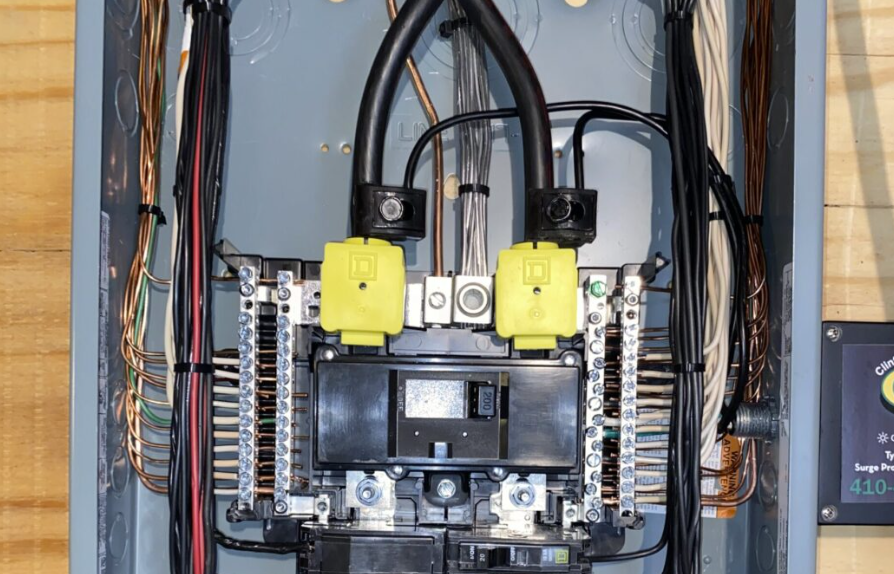

Electrical panels are designed to manage electricity distribution efficiently, but their performance can deteriorate because of aging equipment, installation defects, environmental damage, and excessive electrical demand.
When a distribution system develops problems, the effects may range from inconvenient circuit interruptions to significant safety hazards. Recognizing common issues helps homeowners understand when professional troubleshooting is necessary.
How Electrical Panels Develop Problems
An electrical panel contains multiple conductive connections and protective devices that must operate reliably under different electrical loads.
Although these components are manufactured for extended service, they are not immune to deterioration.
Temperature changes, moisture exposure, corrosion, improper modifications, and defective equipment can contribute to performance problems.
Some issues develop gradually, while others appear suddenly following a circuit fault or equipment failure.
Circuit Overloading
Circuit overloading occurs when connected appliances and devices draw more current than a circuit is designed to carry.
Common examples include operating several high-wattage kitchen appliances simultaneously or connecting multiple heating devices to one circuit.
A properly selected circuit breaker should interrupt excessive current before protected conductors reach unsafe temperatures.
Recognizing an Overloaded Circuit
Possible indicators include repeated breaker trips when certain appliances operate together.
Overloading should not be addressed by installing a larger breaker without evaluating the circuit wiring.
A qualified electrician may recommend distributing appliances across suitable circuits or installing additional dedicated circuits.
Loose Electrical Connections
Electrical connections must remain mechanically secure and electrically reliable.
A loose termination can increase resistance at the connection point, producing localized heating.
Repeated heating and cooling may further weaken affected connections.
Why Loose Connections Are Dangerous
Poor connections can damage wire insulation, breaker terminals, and nearby components.
In some circumstances, electrical arcing may occur.
Diagnosis and corrective work require appropriate training and safe electrical procedures.
Homeowners should never attempt to tighten internal panel connections while the system is energized.
Corrosion and Moisture Exposure
Electrical equipment is particularly vulnerable to moisture when installed in unsuitable environments or exposed to plumbing leaks, flooding, or condensation.
Corrosion can interfere with electrical contact surfaces and mechanical components.
Common Moisture Sources
Water may enter electrical enclosures through damaged exterior seals, poorly installed conduits, roof leaks, or wall moisture.
Outdoor installations require enclosures designed and installed for the conditions they encounter.
Water-damaged electrical equipment should be inspected by a qualified professional before continued operation.
Aging Circuit Breakers
Circuit breakers perform essential protective functions, but they can become defective because of mechanical wear, damage, or manufacturing-related problems.
A faulty breaker may trip unnecessarily or fail to operate as intended under certain fault conditions.
How Breaker Problems Are Evaluated
Electricians can examine circuit conditions, installed equipment, electrical loads, and signs of overheating.
Replacing a breaker requires selecting a device specifically approved or listed for the panel.
A breaker that physically fits an enclosure is not necessarily compatible with it.
Insufficient Circuit Capacity
Some older distribution panels have limited spaces for additional circuits.
As homeowners install modern appliances, they may discover that their existing system lacks suitable capacity or available breaker positions.
Adding circuits without evaluating the electrical load can create unsafe conditions.
In certain situations, an electrical panel upgrade becomes one possible solution, although a subpanel, load management, or circuit reconfiguration may be appropriate depending on the installation.
Professional assessment determines which approach is suitable.
Problems Caused by Improper Modifications
Electrical distribution equipment may develop hazards following unapproved alterations or poorly executed repairs.
Examples include incompatible breakers, incorrectly terminated conductors, missing protective covers, and improper grounding or bonding arrangements.
Such problems are not always visible from outside the enclosure.
Electrical inspections are especially valuable when purchasing an older property or after discovering evidence of previous unpermitted work.
Why Professional Troubleshooting Matters
Electrical symptoms may have several possible causes.
For example, a tripping breaker could indicate circuit overloading, damaged wiring, equipment malfunction, or a ground fault.
Replacing components without identifying the underlying problem may fail to resolve the issue.
Qualified electricians use appropriate instruments, inspection techniques, and electrical standards to investigate faults systematically.
Conclusion
Electrical panel problems can affect both household convenience and electrical safety. Overloaded circuits, deteriorating connections, moisture damage, defective breakers, and improper modifications all deserve attention.
Early recognition of warning signs and professional diagnosis can reduce the risk of unexpected failures while helping maintain dependable electricity distribution.